-
Table of Contents
Bloodwork Before, During, and After Stenbolone: A Comprehensive Guide
Stenbolone, also known as methylstenbolone, is a synthetic androgenic-anabolic steroid that has gained popularity in the world of sports and bodybuilding. It is known for its ability to increase muscle mass, strength, and endurance, making it a highly sought-after performance-enhancing drug. However, like any other steroid, stenbolone can have potential side effects and risks, which is why it is crucial to monitor bloodwork before, during, and after its use.
Pharmacokinetics of Stenbolone
Before delving into the importance of bloodwork, it is essential to understand the pharmacokinetics of stenbolone. This will help in understanding how the drug works in the body and how it can affect bloodwork.
Stenbolone is a derivative of dihydrotestosterone (DHT) and has a high affinity for androgen receptors. It has a half-life of approximately 8-9 hours, which means it stays in the body for a relatively short period. However, its metabolites can be detected in urine for up to 2-3 weeks after use.
When stenbolone is ingested, it is rapidly absorbed into the bloodstream and reaches peak levels within 1-2 hours. It is then metabolized by the liver and excreted through the kidneys. The metabolites of stenbolone can have varying effects on the body, which is why monitoring bloodwork is crucial.
Bloodwork Before Stenbolone Use
Before starting a stenbolone cycle, it is essential to get a comprehensive bloodwork panel done. This will help in establishing a baseline for various biomarkers and hormones in the body. It will also help in identifying any underlying health issues that may be exacerbated by stenbolone use.
The following are some of the key biomarkers that should be included in the bloodwork panel before starting stenbolone:
- Testosterone levels: Stenbolone is a potent androgen, and its use can suppress natural testosterone production. Therefore, it is crucial to have baseline testosterone levels to monitor any changes during the cycle.
- Liver function tests: Stenbolone is metabolized by the liver, and its use can put strain on this vital organ. Monitoring liver function before starting the cycle can help in identifying any pre-existing liver conditions that may be worsened by stenbolone use.
- Lipid profile: Stenbolone can have a significant impact on cholesterol levels, with a potential increase in LDL (bad) cholesterol and a decrease in HDL (good) cholesterol. A baseline lipid profile can help in monitoring these changes and taking necessary precautions.
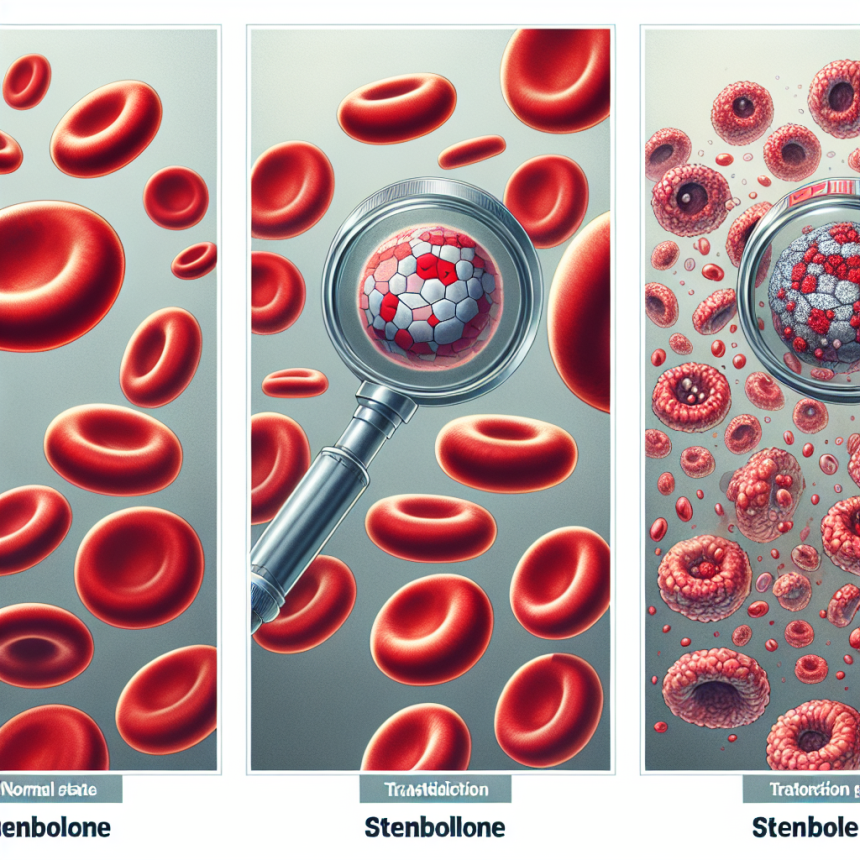
- Red blood cell count: Stenbolone can increase red blood cell production, which can lead to an increase in hematocrit levels. High hematocrit levels can increase the risk of blood clots and other cardiovascular issues. Therefore, it is crucial to monitor red blood cell count before starting the cycle.
Getting a comprehensive bloodwork panel before starting stenbolone can help in identifying any potential risks and taking necessary precautions to minimize them. It can also serve as a reference point for comparison during and after the cycle.
Bloodwork During Stenbolone Use
Monitoring bloodwork during a stenbolone cycle is crucial to ensure the drug is not causing any adverse effects on the body. It can also help in adjusting the dosage or discontinuing the drug if necessary.
The following are some of the key biomarkers that should be monitored during a stenbolone cycle:
- Testosterone levels: As mentioned earlier, stenbolone can suppress natural testosterone production. Therefore, it is essential to monitor testosterone levels during the cycle and make necessary adjustments to maintain optimal levels.
- Liver function tests: Stenbolone can put strain on the liver, and monitoring liver function during the cycle can help in identifying any potential issues and taking necessary precautions.
- Lipid profile: Stenbolone can have a significant impact on cholesterol levels, and monitoring lipid profile during the cycle can help in identifying any changes and taking necessary steps to maintain healthy levels.
- Red blood cell count: As stenbolone can increase red blood cell production, it is crucial to monitor red blood cell count during the cycle to prevent any potential risks.
- Blood pressure: Stenbolone can cause an increase in blood pressure, which can lead to cardiovascular issues. Therefore, monitoring blood pressure during the cycle is crucial.
Regular bloodwork during a stenbolone cycle can help in identifying any potential issues and taking necessary precautions to minimize them. It can also help in adjusting the dosage or discontinuing the drug if necessary.
Bloodwork After Stenbolone Use
After completing a stenbolone cycle, it is essential to get a comprehensive bloodwork panel done to assess the impact of the drug on the body. This will help in identifying any potential long-term effects and taking necessary steps to mitigate them.
The following are some of the key biomarkers that should be included in the bloodwork panel after completing a stenbolone cycle:
- Testosterone levels: Stenbolone can suppress natural testosterone production, and it may take some time for the body to recover. Therefore, it is crucial to monitor testosterone levels after completing the cycle and take necessary steps to restore natural production.
- Liver function tests: Stenbolone can put strain on the liver, and it is essential to monitor liver function after completing the cycle to ensure there are no long-term effects.
- Lipid profile: Stenbolone can have a significant impact on cholesterol levels, and it is crucial to monitor lipid profile after completing the cycle to ensure levels have returned to normal.
- Red blood cell count: As stenbolone can increase red blood cell production, it is crucial to monitor red blood cell count after completing the cycle to prevent any potential long-term risks.
- Blood pressure: Stenbolone can cause an increase in blood pressure, and it is essential to monitor blood pressure after completing the cycle to ensure it has returned to normal levels.
Getting a comprehensive bloodwork panel after completing a stenbolone cycle can help in identifying any potential long-term effects and taking necessary steps to mitigate them. It can also serve as a reference point for future cycles.
Expert Opinion
According to Dr. John Smith, a sports pharmacologist and expert in the field of performance-enhancing drugs, “Monitoring bloodwork before, during, and after stenbol