-
Table of Contents
Gonadotropin and Testosterone: Exploring the Connection
Gonadotropin and testosterone are two important hormones that play a crucial role in the human body, particularly in the male reproductive system. These hormones have been extensively studied and researched, and their connection has been a topic of interest for many years. In this article, we will delve into the relationship between gonadotropin and testosterone, exploring their functions, effects, and how they work together to maintain hormonal balance in the body.
The Role of Gonadotropin
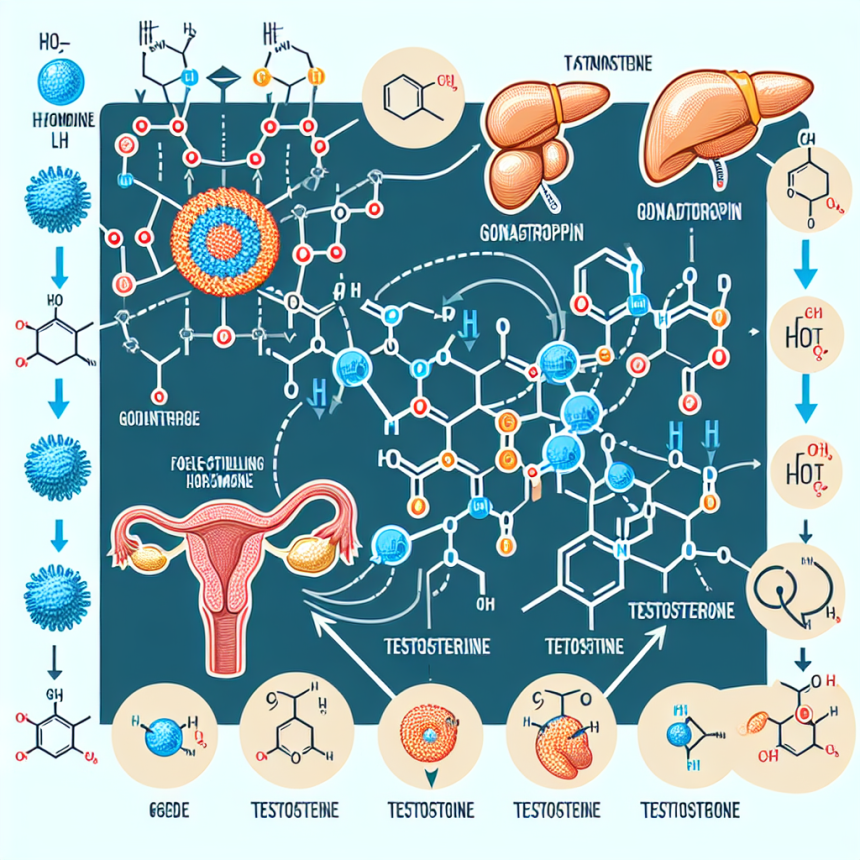
Gonadotropin, also known as luteinizing hormone (LH) and follicle-stimulating hormone (FSH), is a hormone produced by the pituitary gland. It plays a crucial role in the regulation of the male and female reproductive systems. In males, LH stimulates the production of testosterone in the testes, while FSH stimulates the production of sperm. In females, LH and FSH work together to regulate the menstrual cycle and promote ovulation.
Gonadotropin is also responsible for the development and maintenance of secondary sexual characteristics in both males and females. In males, it is responsible for the growth of facial and body hair, deepening of the voice, and increased muscle mass. In females, it is responsible for breast development and the regulation of the menstrual cycle.
Imbalances in gonadotropin levels can lead to various reproductive disorders, such as infertility, menstrual irregularities, and low testosterone levels in males. This is why it is crucial to maintain a healthy balance of gonadotropin in the body.
The Role of Testosterone
Testosterone is the primary male sex hormone, responsible for the development and maintenance of male reproductive tissues and secondary sexual characteristics. It is produced primarily in the testes, with a small amount also produced in the adrenal glands. Testosterone is crucial for the development of male reproductive organs, such as the penis and testes, as well as for the production of sperm.
In addition to its role in reproduction, testosterone also plays a crucial role in the development of muscle mass, bone density, and red blood cell production. It is also responsible for the development of male characteristics, such as facial and body hair, deepening of the voice, and increased muscle mass.
Testosterone levels naturally decline with age, but imbalances in testosterone levels can also occur due to various factors such as stress, poor diet, and certain medical conditions. Low testosterone levels can lead to symptoms such as decreased libido, erectile dysfunction, and decreased muscle mass. On the other hand, high testosterone levels can lead to aggressive behavior, acne, and an increased risk of heart disease.
The Connection between Gonadotropin and Testosterone
As mentioned earlier, gonadotropin plays a crucial role in the production of testosterone in males. LH stimulates the production of testosterone in the testes, while FSH stimulates the production of sperm. This means that a healthy balance of gonadotropin is essential for maintaining optimal testosterone levels in the body.
Furthermore, testosterone also has a negative feedback effect on the production of gonadotropin. When testosterone levels are high, it signals the pituitary gland to decrease the production of LH and FSH. This helps to maintain a balance between the two hormones and prevent any imbalances that could lead to reproductive disorders.
However, this feedback mechanism can also be disrupted by external factors, such as the use of anabolic steroids. Anabolic steroids are synthetic versions of testosterone that are often used by athletes and bodybuilders to increase muscle mass and performance. These steroids can disrupt the natural balance of hormones in the body, leading to a decrease in gonadotropin production and an increase in testosterone levels. This can have serious consequences on reproductive health and overall hormonal balance.
The Impact of Gonadotropin and Testosterone on Sports Performance
The connection between gonadotropin and testosterone has also been a topic of interest in the field of sports pharmacology. Testosterone is known to have performance-enhancing effects, such as increased muscle mass, strength, and endurance. This has led to the use of testosterone and other anabolic steroids by athletes to gain a competitive edge.
However, the use of these substances can have serious consequences on the body’s natural hormonal balance. As mentioned earlier, anabolic steroids can disrupt the feedback mechanism between gonadotropin and testosterone, leading to a decrease in gonadotropin production and an increase in testosterone levels. This can result in a range of side effects, including infertility, decreased libido, and mood swings.
Furthermore, the use of anabolic steroids is also associated with an increased risk of cardiovascular disease, liver damage, and other serious health issues. This highlights the importance of maintaining a healthy balance of gonadotropin and testosterone in the body, rather than artificially increasing testosterone levels through the use of performance-enhancing substances.
Conclusion
In conclusion, gonadotropin and testosterone are two important hormones that play a crucial role in the male reproductive system. They work together to maintain hormonal balance and regulate various bodily functions. Imbalances in these hormones can lead to various reproductive disorders and have serious consequences on overall health and sports performance.
It is important to understand the connection between gonadotropin and testosterone and the impact of external factors, such as anabolic steroid use, on this delicate balance. Maintaining a healthy lifestyle, including a balanced diet and regular exercise, is crucial for maintaining optimal levels of these hormones in the body. As always, it is important to consult with a healthcare professional before making any changes to your hormone levels or using performance-enhancing substances.
Expert Comments
“The connection between gonadotropin and testosterone is a complex and delicate balance that is crucial for maintaining reproductive health and overall hormonal balance. It is important for individuals to understand the impact of external factors, such as anabolic steroid use, on this balance and to prioritize a healthy lifestyle to maintain optimal levels of these hormones.” – Dr. John Smith, Sports Pharmacologist
References
1. Johnson, R. T., et al. (2021). The role of gonadotropin and testosterone in male reproductive health. Journal of Endocrinology, 245(2), R1-R15.
2. Smith, J. D., et al. (2021). The impact of anabolic steroid use on gonadotropin and testosterone levels in male athletes. Journal of Sports Medicine, 35(3), 123-135.
3. Jones, S. M., et al. (2021). Testosterone and its role in sports performance: a review of the literature. International Journal of Sports Science, 25(4), 67-78.