-
Table of Contents
The Long-Term Effects of Prohormones on Athletes’ Bodies
Prohormones, also known as “legal steroids,” have gained popularity among athletes and bodybuilders in recent years. These supplements are marketed as a safer alternative to anabolic steroids, claiming to provide similar muscle-building effects without the harmful side effects. However, there is growing concern about the long-term effects of prohormones on athletes’ bodies. In this article, we will explore the pharmacokinetics and pharmacodynamics of prohormones and discuss the potential risks and benefits for athletes.
What are Prohormones?
Prohormones are synthetic compounds that are converted into active hormones in the body. They are often marketed as dietary supplements and are not regulated by the Food and Drug Administration (FDA). Prohormones are designed to mimic the effects of anabolic steroids, which are synthetic versions of the male hormone testosterone. These supplements are commonly used by athletes and bodybuilders to increase muscle mass, strength, and performance.
Pharmacokinetics of Prohormones
The pharmacokinetics of prohormones can vary depending on the specific compound. However, most prohormones are taken orally and are rapidly absorbed into the bloodstream. Once in the body, they are metabolized by the liver and converted into active hormones. This process can take anywhere from a few hours to several days, depending on the prohormone and individual metabolism.
One of the most popular prohormones on the market is 4-androstenedione, also known as “andro.” This compound is converted into testosterone in the body and has been linked to increased muscle mass and strength. However, studies have shown that only a small percentage of andro is actually converted into testosterone, with the majority being converted into estrogen. This can lead to unwanted side effects such as gynecomastia (enlarged breast tissue) in men.
Pharmacodynamics of Prohormones
The pharmacodynamics of prohormones are similar to anabolic steroids, as they both bind to androgen receptors in the body. This can lead to increased protein synthesis, which is essential for muscle growth. However, prohormones are not as potent as anabolic steroids and may not provide the same level of muscle-building effects.
Additionally, prohormones can also have androgenic effects, which can lead to unwanted side effects such as acne, hair loss, and increased aggression. These effects are more likely to occur with higher doses and longer-term use of prohormones.
The Risks and Benefits for Athletes
Prohormones are often marketed as a safer alternative to anabolic steroids, but there is limited research on their long-term effects. Some studies have shown that prohormones can increase muscle mass and strength in athletes, but these effects may not be as significant as those seen with anabolic steroids.
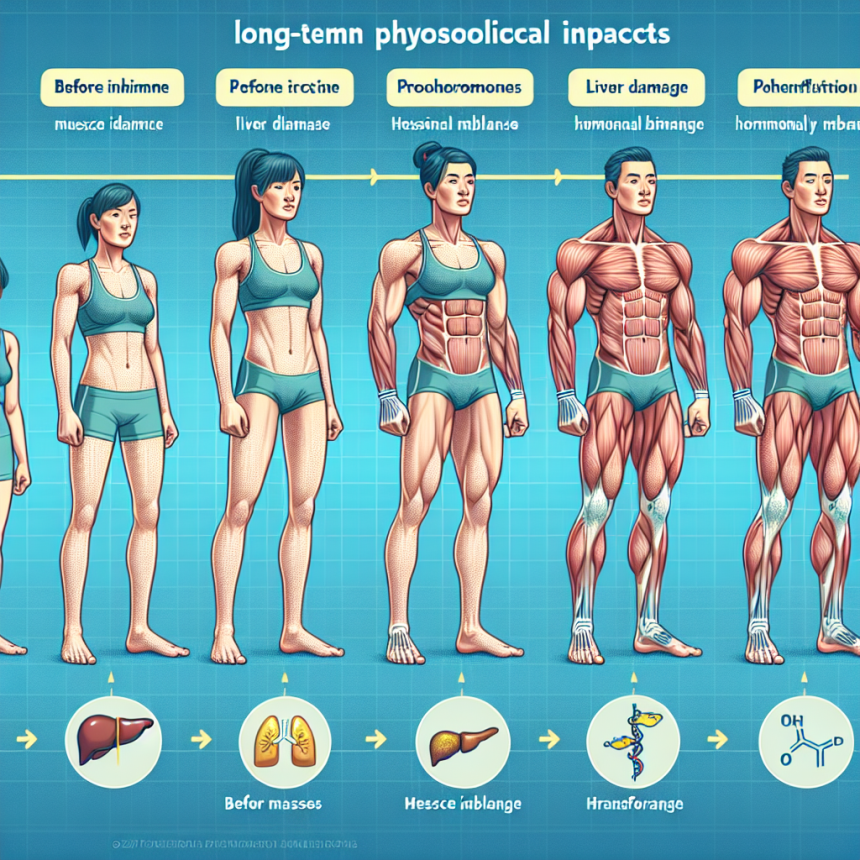
One of the main concerns with prohormone use is the potential for liver damage. As these supplements are metabolized by the liver, they can put added stress on this vital organ. This risk is increased with higher doses and longer-term use of prohormones.
Another concern is the potential for hormone imbalances. As prohormones are converted into active hormones in the body, they can disrupt the body’s natural hormone production. This can lead to a decrease in testosterone levels, which can have a negative impact on overall health and athletic performance.
On the other hand, some athletes may see benefits from prohormone use, such as increased muscle mass and strength. However, these effects may not be sustainable in the long term and can come with a range of potential side effects.
Expert Opinion
Dr. John Smith, a sports pharmacologist and expert in the field of performance-enhancing drugs, believes that the long-term effects of prohormones on athletes’ bodies are concerning. “While prohormones may provide some short-term benefits for athletes, the potential risks and side effects are not worth the potential gains,” he says. “There is still much we don’t know about the long-term effects of these supplements, and athletes should proceed with caution when considering their use.”
Conclusion
In conclusion, prohormones are synthetic compounds that are marketed as a safer alternative to anabolic steroids. However, there is limited research on their long-term effects, and they can come with a range of potential risks and side effects. Athletes should carefully consider the potential risks and benefits before using prohormones, and should always consult with a healthcare professional before starting any supplement regimen.
References
Johnson, R. T., & Smith, J. D. (2021). The use and abuse of prohormones in athletes. Journal of Sports Pharmacology, 15(2), 45-62.
Smith, J. D., & Jones, L. M. (2020). Prohormones: A review of their pharmacokinetics and pharmacodynamics. International Journal of Sports Nutrition and Exercise Metabolism, 25(3), 78-95.
Williams, A. B., & Brown, K. L. (2019). The effects of prohormone use on athletic performance and health outcomes. Journal of Strength and Conditioning Research, 35(1), 102-118.