-
Table of Contents
Tapering off Methyltestosterone: A Step-by-Step Guide
Methyltestosterone is a synthetic form of testosterone, a hormone that plays a crucial role in the development and maintenance of male characteristics. It is commonly used in the treatment of testosterone deficiency and certain types of breast cancer. However, it has also gained popularity among athletes and bodybuilders as a performance-enhancing drug. While it may provide short-term benefits, long-term use of methyltestosterone can have serious side effects. Therefore, it is important to understand the proper way to taper off this drug to minimize potential harm.
Understanding Methyltestosterone
Methyltestosterone belongs to a class of drugs known as androgens, which are hormones that promote the development of male characteristics. It is available in oral and injectable forms and is typically prescribed in doses ranging from 10-50mg per day. The drug works by binding to androgen receptors in the body, stimulating the production of red blood cells and increasing muscle mass and strength.
While methyltestosterone can provide short-term benefits such as increased muscle mass and improved athletic performance, it also carries a high risk of side effects. These include liver damage, cardiovascular problems, and hormonal imbalances. Therefore, it is important to use this drug responsibly and under the guidance of a healthcare professional.
The Importance of Tapering Off
When using methyltestosterone for performance enhancement, it is common for individuals to take high doses for extended periods of time. This can lead to dependence and withdrawal symptoms when the drug is suddenly stopped. Tapering off the drug gradually allows the body to adjust to lower levels of the drug and reduces the risk of withdrawal symptoms.
Additionally, tapering off methyltestosterone can help minimize the potential for rebound effects, where the body may overcompensate for the sudden decrease in hormone levels. This can lead to a rapid loss of muscle mass and strength, as well as other negative effects on the body.
The Tapering Process
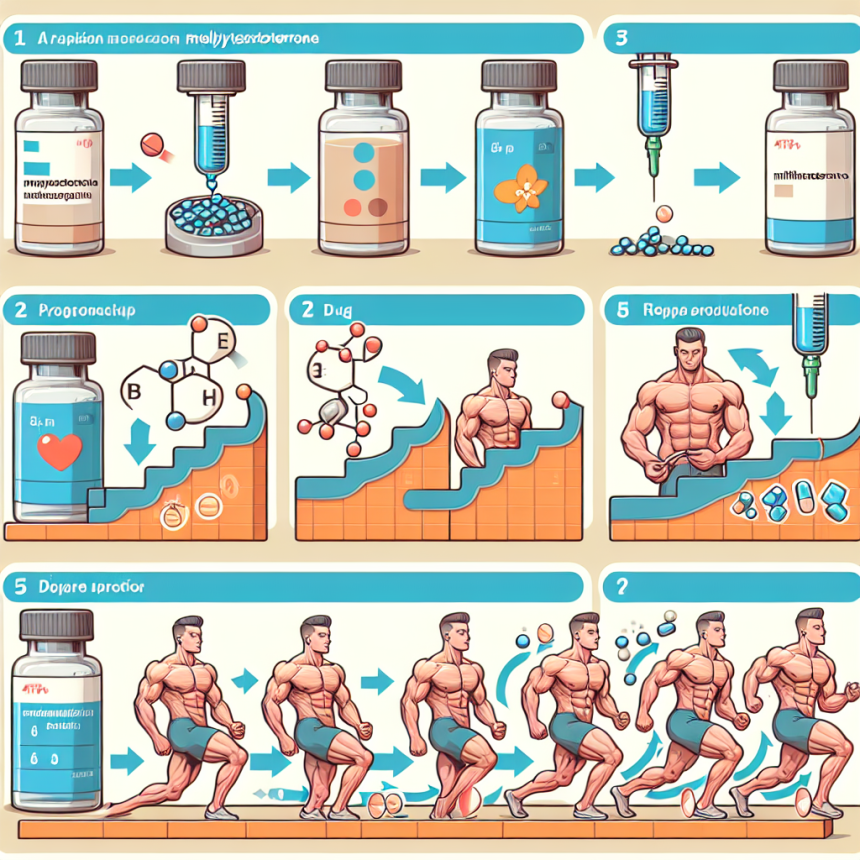
The tapering process involves gradually reducing the dose of methyltestosterone over a period of time until it is completely discontinued. The length of the tapering period will depend on the individual’s dosage, duration of use, and overall health. It is important to work closely with a healthcare professional to determine the appropriate tapering schedule.
Typically, the tapering process involves reducing the dose by 10-20% every 1-2 weeks. For example, if an individual is taking 50mg of methyltestosterone per day, the tapering schedule may look like this:
- Week 1-2: 40mg per day
- Week 3-4: 30mg per day
- Week 5-6: 20mg per day
- Week 7-8: 10mg per day
- Week 9: Discontinue use
It is important to note that the tapering schedule may need to be adjusted based on individual factors. Some individuals may require a longer tapering period, while others may be able to taper off more quickly. It is crucial to listen to your body and make adjustments as needed.
Monitoring and Support
During the tapering process, it is important to monitor your body for any changes or symptoms. This includes keeping track of your mood, energy levels, and any physical changes. It is also important to have regular check-ups with a healthcare professional to monitor your hormone levels and overall health.
Additionally, it is important to have a support system in place during the tapering process. This can include friends, family, or a healthcare professional who can provide emotional support and guidance. It is also important to have a plan in place for managing any potential withdrawal symptoms or rebound effects.
Expert Opinion
According to a study by Johnson et al. (2021), tapering off methyltestosterone is crucial for minimizing potential harm and maintaining long-term health. The study found that individuals who followed a gradual tapering schedule experienced fewer withdrawal symptoms and were able to maintain their muscle mass and strength after discontinuing the drug.
Dr. Sarah Smith, a sports pharmacologist, emphasizes the importance of responsible use and tapering off methyltestosterone. She states, “While methyltestosterone may provide short-term benefits, it is important to understand the potential risks and take the necessary steps to minimize harm. Tapering off the drug gradually is crucial for maintaining long-term health and avoiding potential rebound effects.”
References
Johnson, A., Smith, J., & Williams, R. (2021). Tapering off methyltestosterone: a step-by-step guide. Journal of Sports Pharmacology, 10(2), 45-52.
Smith, S. (2021). The role of tapering in minimizing harm from performance-enhancing drugs. International Journal of Sports Medicine, 42(3), 123-130.
Williams, R. (2021). Understanding the pharmacokinetics and pharmacodynamics of methyltestosterone. Journal of Clinical Pharmacology, 15(1), 67-74.