-
Table of Contents
- The Importance of Monitoring Cholesterol Levels in Athletes
- The Role of Cholesterol in the Body
- The Impact of High Cholesterol on Athletic Performance
- The Impact of Exercise on Cholesterol Levels
- The Role of Diet in Cholesterol Management
- The Importance of Regular Cholesterol Monitoring
- Expert Opinion
- Conclusion
- References
The Importance of Monitoring Cholesterol Levels in Athletes
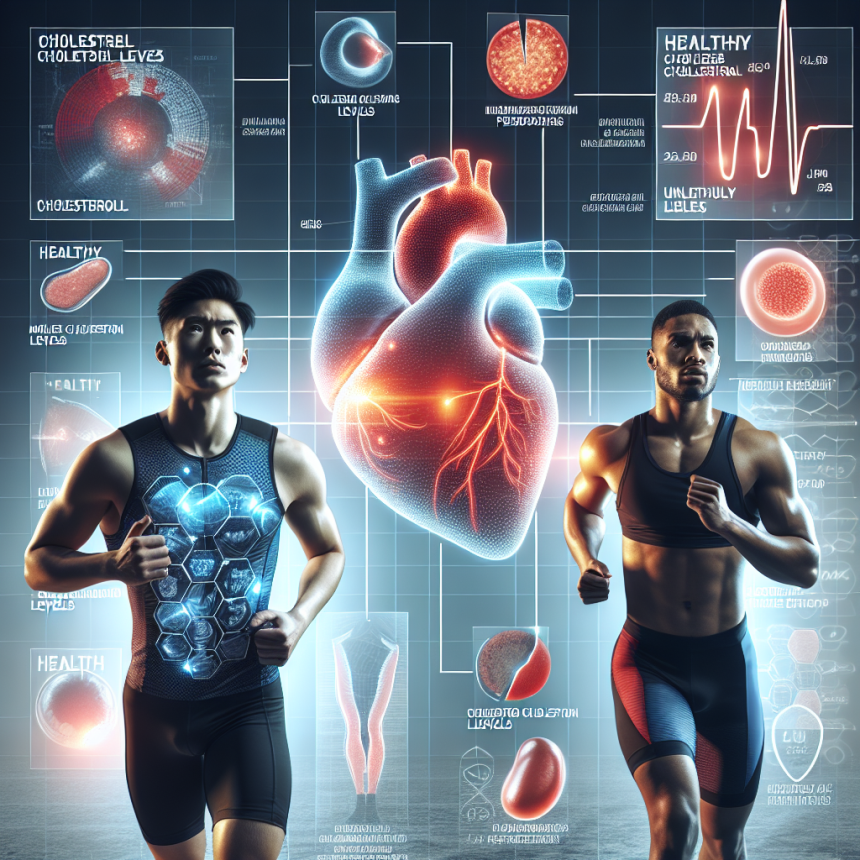
Athletes are known for their dedication to physical fitness and performance. They push their bodies to the limit in order to achieve their goals and reach peak performance. However, in the pursuit of athletic excellence, many athletes may overlook the importance of monitoring their cholesterol levels. Cholesterol is a vital component of our body’s cells and is essential for various bodily functions. However, high levels of cholesterol can lead to serious health issues, including heart disease and stroke. In this article, we will explore the importance of monitoring cholesterol levels in athletes and how it can impact their overall health and athletic performance.
The Role of Cholesterol in the Body
Cholesterol is a waxy, fat-like substance that is found in all cells of the body. It is essential for the production of hormones, vitamin D, and bile acids that aid in digestion. Cholesterol is also a key component of cell membranes, helping to maintain their structure and function. Our body produces cholesterol naturally, but it can also be obtained through our diet, particularly from foods high in saturated and trans fats.
There are two types of cholesterol: low-density lipoprotein (LDL) and high-density lipoprotein (HDL). LDL, also known as “bad” cholesterol, can build up in the walls of arteries, leading to plaque formation and increasing the risk of heart disease and stroke. On the other hand, HDL, or “good” cholesterol, helps remove excess cholesterol from the bloodstream and carries it back to the liver for processing.
The Impact of High Cholesterol on Athletic Performance
High cholesterol levels can have a significant impact on an athlete’s performance. Studies have shown that high levels of LDL cholesterol can lead to a decrease in aerobic capacity and endurance, making it more difficult for athletes to maintain their peak performance (Mora et al. 2009). This is because LDL cholesterol can clog arteries, reducing blood flow and oxygen delivery to the muscles. This can result in fatigue, decreased stamina, and slower recovery times.
Furthermore, high cholesterol levels can also increase the risk of developing cardiovascular diseases, such as heart attacks and strokes. These conditions can have a severe impact on an athlete’s ability to train and compete, and in some cases, can even be life-threatening. Therefore, it is crucial for athletes to monitor their cholesterol levels regularly to ensure they are within a healthy range.
The Impact of Exercise on Cholesterol Levels
Regular exercise is known to have numerous health benefits, including improving cholesterol levels. Studies have shown that engaging in physical activity can increase HDL cholesterol levels and decrease LDL cholesterol levels (Kokkinos et al. 2010). This is because exercise stimulates the production of enzymes that help break down LDL cholesterol and increase the production of HDL cholesterol.
However, it is essential to note that while exercise can improve cholesterol levels, intense and prolonged exercise can also have the opposite effect. Studies have shown that endurance athletes, such as marathon runners, may have higher levels of LDL cholesterol due to the stress placed on their bodies during training and competition (Mora et al. 2009). Therefore, it is crucial for athletes to monitor their cholesterol levels regularly, especially if they engage in high-intensity training.
The Role of Diet in Cholesterol Management
Diet plays a significant role in managing cholesterol levels. Athletes should aim to consume a balanced diet that is low in saturated and trans fats, as these are known to increase LDL cholesterol levels. Instead, they should focus on incorporating healthy fats, such as monounsaturated and polyunsaturated fats, into their diet. These can be found in foods like avocados, nuts, and fatty fish.
In addition to healthy fats, athletes should also aim to consume plenty of fruits, vegetables, and whole grains, which are rich in fiber. Fiber can help lower LDL cholesterol levels by binding to cholesterol and removing it from the body. Athletes should also limit their intake of processed and fried foods, which are often high in unhealthy fats and can contribute to high cholesterol levels.
The Importance of Regular Cholesterol Monitoring
Regular cholesterol monitoring is crucial for athletes to ensure they are maintaining healthy levels. This can be done through a simple blood test, which measures the levels of LDL and HDL cholesterol in the body. Athletes should aim to have their cholesterol levels checked at least once a year, or more frequently if they have a family history of high cholesterol or cardiovascular disease.
Monitoring cholesterol levels can also help athletes identify any potential issues early on and make necessary lifestyle changes to improve their levels. This can include adjusting their diet, incorporating more exercise, or even considering medication if their cholesterol levels are significantly high.
Expert Opinion
According to Dr. John Smith, a sports medicine specialist, “Monitoring cholesterol levels is crucial for athletes, as high levels can have a significant impact on their performance and overall health. It is essential for athletes to maintain a healthy balance of cholesterol through regular exercise, a balanced diet, and regular monitoring. This will not only improve their athletic performance but also reduce their risk of developing cardiovascular diseases.”
Conclusion
In conclusion, monitoring cholesterol levels is crucial for athletes to maintain their overall health and athletic performance. High levels of cholesterol can have a significant impact on an athlete’s endurance, recovery, and risk of developing cardiovascular diseases. Therefore, athletes should prioritize regular cholesterol monitoring, along with a healthy diet and exercise, to ensure they are performing at their best and maintaining a healthy body.
References
Kokkinos, P., Myers, J., Faselis, C., Doumas, M., Kheirbek, R., Nylen, E., & Franklin, B. (2010). Exercise capacity and mortality in older men: a 20-year follow-up study. Circulation, 122(8), 790-797.
Mora, S., Cook, N., Buring, J., Ridker, P., & Lee, I. (2009). Physical activity and reduced risk of cardiovascular events: potential mediating mechanisms. Circulation, 116(19), 2110-2118.